
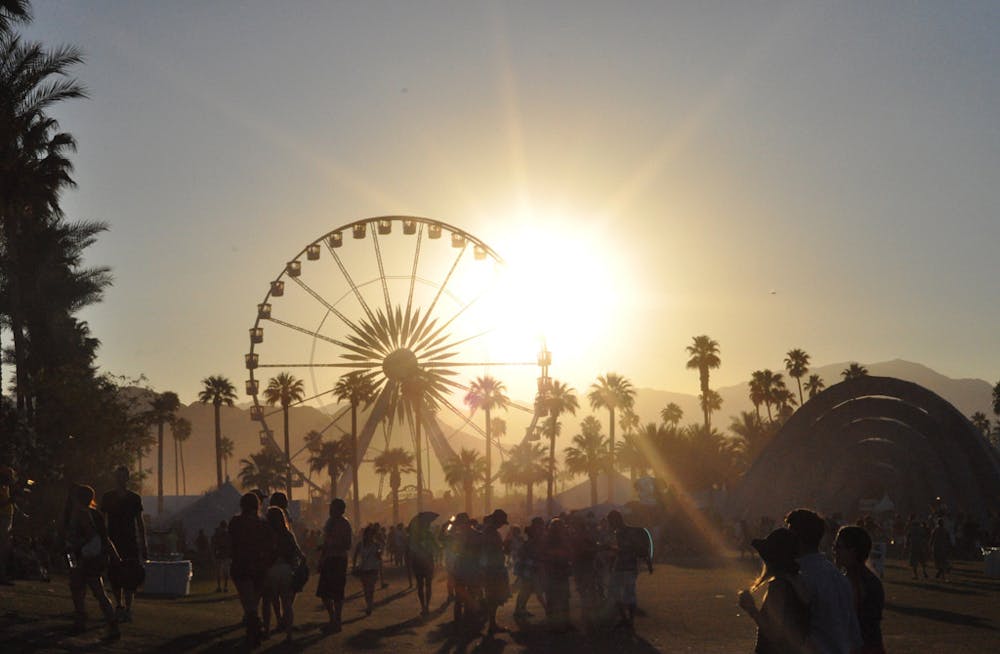
One of the biggest fashion events of the year, aside from the MET Gala or NYFW, is Coachella. What once started as a protest against Ticketmaster services fees has become an influencer runway, where they compete to create the most viral videos. For everyday people, they often spend money they do not have to attend the festival, especially when ticket costs alone can range from $500 to $1,500.
The Coachella Valley Music and Arts Festival, known colloquially as Coachella, is a music festival hosted annually at the Empire Polo Club in Indio, California, in the Coachella Valley of the Colorado Desert. The site was originally chosen as an alternative to Los Angeles to avoid Ticketmaster services fees. In 1999, the first Coachella festival was hosted, with headlining artists Beck, Tool and Rage Against the Machine. Tickets cost only $50 per day, with free parking and water available.
Today’s Coachella looks a lot different. Between 2004 and 2012, the festival became commercialized, shifting from an indie identity to a corporate sponsorship and celebrity culture. This is in part due to Anschutz Entertainment Group, Inc. (AEG) purchasing a controlling stake in the festival, promoting a more corporate identity, and this strategy worked. 2004 was the first year that the festival sold out, with The Cure and Radiohead as headliners.
The festival became an influencer and celebrity destination around 2010. Celebrities like Vanessa Hudgens and Kendall Jenner became style icons of the event with their festival “boho-chic” fashion. The rise of platforms like Instagram turned the event into a content shoot, the perfect place to create and guarantee engagement.
People online love to engage with Coachella content, so much so that many people are going into debt to attend the festival and replicate the influencer life. Billboard reported in 2025 that 60% of Coachella general admissions attendees bought their tickets through a payment plan. Costs, however, extend beyond tickets, including food, transportation (flights or gas), and hotels that can cost over $2,500.
While fans are going broke to attend the festival, many influencers are attending the festival for free and receiving additional compensation for posting about the brand sponsoring their trip. Influencers online have reported earning upwards of five figures to attend Coachella and make posts.
Reactions online have been mixed in recent years. While some love to see their favorite influencers attend the event, others are tired of seeing the luxury that these influencers often get to enjoy. While gas and grocery prices are rising and people are struggling to make ends meet, some people are being paid to attend a festival most people will never be able to afford.
The festival does have some great features. It is an opportunity for fans to connect and see their favorite artists together, surprise guest appearances and the festival experience are exciting to a lot of people, and the desert atmosphere provides a perfect setting to escape from everyday life.
Unfortunately, this escape is not possible for most, and as people become disillusioned with the festival, the less attention these posts and brands will receive. The reality for most people does not reflect the lives we see on our screens, and people seem to be growing tired of it.


The Slate welcomes thoughtful discussion on all of our stories, but please keep comments civil and on-topic. Read our full guidelines here.